
Oahu Kayak Safety Guide — Conditions, Tides & Emergency Info
⚠ Disclaimer: This information is for private recreational boaters. Always assess conditions at the launch site. Conditions can change rapidly. If in doubt, don't go out.
Wind Conditions on Oahu
Oahu's tradewinds blow from the northeast 15–25 mph most days, strongest between 11 AM and 4 PM. Understanding wind patterns is the single most important factor for a safe paddle.
Windward Side (Kailua, Kaneohe, Kualoa)
- Morning (6–10 AM): Light winds, 5–10 mph — ideal for paddling
- Midday (11 AM–3 PM): Tradewinds build to 15–25 mph with gusts to 30+ mph — can create challenging chop and make return paddles difficult
- Late Afternoon (3 PM–sunset): Winds gradually ease
North Shore (Haleʻiwa, Sharks Cove)
- Summer (May–October): Flat to 2–3 ft waves — generally safe for kayaking and snorkeling
- Winter (November–April): 10–30+ ft waves — DO NOT kayak the North Shore in winter
Tide Charts & Why They Matter
Tides on Oahu are semi-diurnal (two high and two low tides daily). The range is typically 1–2 feet.
- Kaneohe Sandbar: Best at low-to-mid tide when sand is exposed. At high tide the sandbar is underwater. Check NOAA tide predictions for Kaneohe Bay.
- Kailua Bay: Less tide-dependent. The barrier reef protects the bay regardless of tide level.
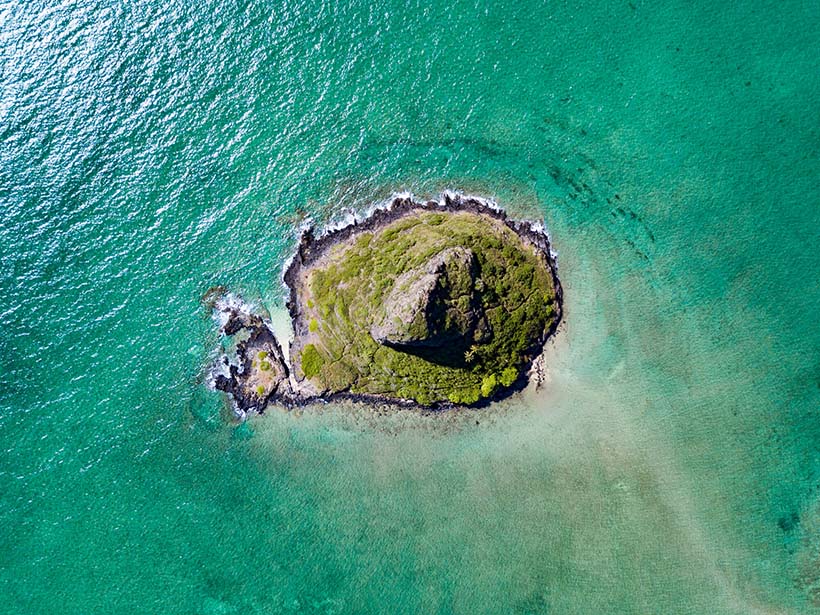
- Mokoliʻi (Chinaman's Hat): Best at mid-to-high tide for deeper water over the reef shelf. At extreme low tide you may scrape bottom.
Check NOAA tide predictions for the main Hawaiian Islands before your trip.
What to Do If You Capsize
Capsizing in a sit-on-top kayak is rare but possible, especially in windy conditions or crossing boat wakes. Here's what to do:
- Stay calm. Your PFD will keep you afloat. Take a breath and assess the situation.
- Stay with your kayak. Never abandon your kayak to swim to shore. A capsized kayak is visible and provides flotation.
- Flip the kayak right-side up. Reach across the hull and pull the far edge toward you.
- Re-enter from the side. Kick your legs to propel yourself up onto the kayak, then swing your legs back on. Practice this at the shop before launching.
- Retrieve your paddle. Your paddle has a leash — reel it in. If it drifts away, paddle with your hands back to the kayak.
- Secure loose items. Check that your dry bag is still attached. Retrieve floating items if safe to do so.
Emergency Contacts
Save these numbers before your paddle:
- Emergency (Police, Fire, Ambulance): 911
- Honolulu Fire Department Ocean Safety: (808) 723-7867
- U.S. Coast Guard Sector Honolulu: (808) 842-2600 or VHF Channel 16
- Active Oahu Shop: (808) 498-1894
- DLNR Division of Conservation and Resources Enforcement (DOCARE): (808) 587-0077 — for marine wildlife emergencies
When NOT to Go Out
Do not launch if any of these conditions are present:
- Wind advisory or small craft advisory in effect — check NWS Honolulu
- North Shore winter swell (November–April) — waves exceed safe limits for recreational kayaking
- Thunderstorms or lightning visible or forecast
- Brown water advisories after heavy rain — runoff carries bacteria and debris
- High surf advisory for the coast you're launching from
- Jellyfish warnings — box jellyfish appear 8–10 days after a full moon on south and leeward shores
- You are alone — always paddle with a partner
- You feel unsure — if conditions don't feel right, trust your instincts. There's always another day.
Additional Safety Tips
- Tell someone your plan: Let a friend or family member know your launch point, destination, and expected return time.
- Wear your PFD: It's not enough to have it in the kayak — wear it at all times on the water. It's required by law for anyone under 13 and strongly recommended for everyone.
- Paddle into the wind first: Start your trip heading into the wind. You'll have the wind at your back on the return when you're tired.
- Stay close to shore: In Kailua Bay, stay inside the reef line. In open water, stay within 0.5 miles of shore.
- Hydrate: Bring more water than you think you need. The combination of sun, salt, and exertion accelerates dehydration.
- Watch for boats: Kaneohe Bay has significant boat traffic, especially on weekends. Stay visible and yield to larger vessels.
Questions about conditions? Contact us before your rental — we monitor conditions daily and can advise on the best launch point and time for your trip.

Guided Kayak Tours
Enjoy Oahu's best kayaking routes with an experienced guide, or on your own terms with our pre-planned trips.

Beach Gear Rentals
Rent Kayaks and other beach gear and pick them up at our shop or get them delivered to your address

Need Kayaks Today?
We take day-of and last minute tour or rental bookings.
Call us at: (808)498-1894 or visit our shop at 134B Hamakua Dr. Kailua HI 96734
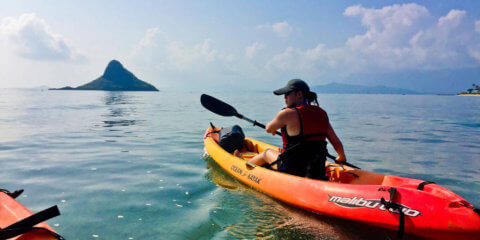
Experience ocean kayaking to Mokolii on our Chinaman's Hat Self-Guided Kayak Tour*. We provide everything you need to have a great and safe time out on the water. You'll get kayaks, seat backs, life vests, dry bags safety equipment, heavy duty pads, straps and private instruction before you set out on your own to experience Chinaman's Hat. Experience this one of a kind Oahu adventure with plenty of epic views. We suggest this tour for individuals who are experienced in kayaking or are comfortable kayaking in the ocean.
*We conveniently provide the kayaks and beach gear at our Kailua storefront for pickup so you can easily have a great time out on Mokoli'i after we provide you with on-site instruction, and helpful info.
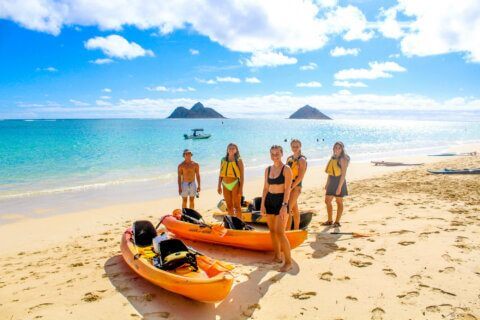
Mokulua Islands Guided Kayak Tour, Kailua’s Twin Islands
Embark on an exhilarating guided kayak tour to the Twin Islands, led by our experienced guides! As we paddle towards Moku Nui, a designated bird sanctuary and we will provide permits for this adventure. Be sure to reserve your spot in advance, as availability is limited. During this 5-hour journey, you’ll encounter a vibrant array of wildlife, including sea turtles, Hawaiian monk seals, tropical fish, and sea birds. If weather conditions permit, we’ll explore the island’s hidden tide pools and venture to its back side. This tour is ideal for physically active kayakers aged 13 years and older.
*We conveniently provide the kayaks and beach gear at our Kailua storefront for pickup so you can easily have a great time out in Kailua Bay after we provide you with on-site instruction, and helpful info.
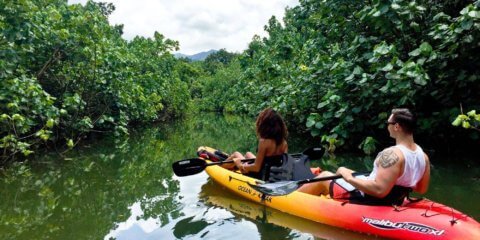
This is the Best Kayaking Experience on Oahu. This self-guided* Oahu kayak tour takes you up a calm river into the secluded Kahana valley then out into Kahana Bay for a great view of the coast and mountains. Enjoy the picturesque landscape of turquoise ocean, secluded beach, green-clad mountains and plentiful jungle of Kahana Valley. The whole place has an Amazonian like feel to it.
*No tour guide provided. You will need a 4-door vehicle (or vehicle with roof racks) to transport the equipment to the river (40-minute drive) from our storefront in Kailua. We provide foam pads and straps that fit most vehicles
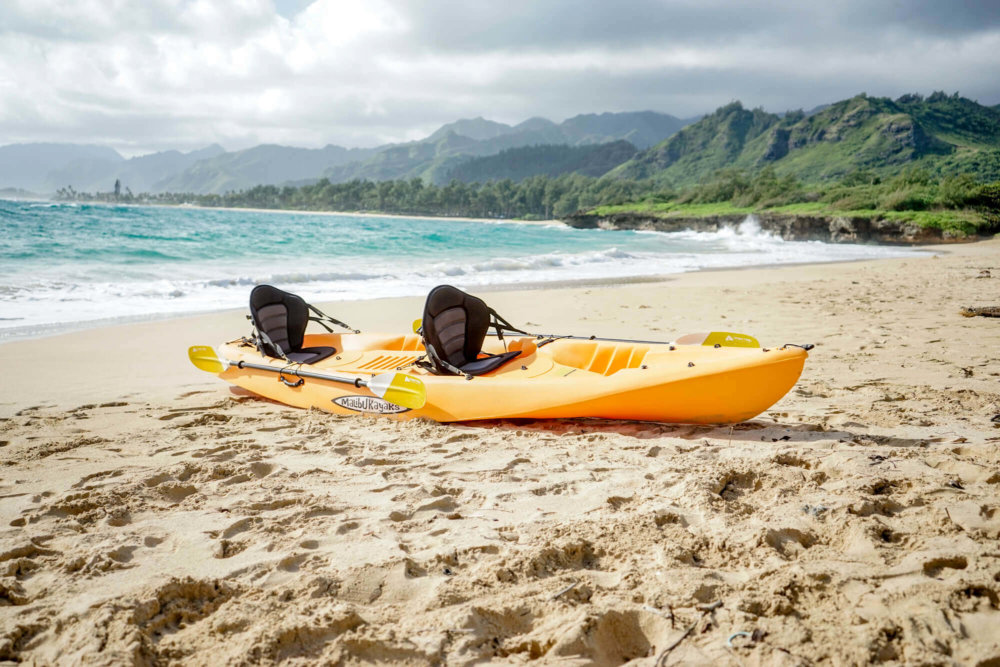
Beach Equipment Rentals
We help make your Oahu adventures a breeze with our kayak and beach gear rental delivery service and hand-picked self-guided tours.
Paddle in an ocean kayak out to the offshore island of Mokolii, up a mountain stream in Kahana Valley, or in the calm waters of Kailua Bay. Just visit our activity hub in Kailua and we will get you all setup to explore Oahu. We have all the beach gear you need to have a adventure on Oahu. We help make your Oahu kayaking dreams come true.
Meet us on the Windward side, we’ve got the kayaks.
Check out our rental packages
Have an Adventure
Join us for an off-the-beaten-path adventure to experience some of the best kayaking on North Shore Oahu and the Windward side.
We’ve explored all over Oahu, so take advantage of our experience and sign up for one of our self-guided kayak tours. Have a real Oahu adventure, not a standard large group bus tour. We help give you everything you need to paddle your way through the most memorable experiences of your vacation.
Check out our self-guided tours
Plan Your Oahu Kayaking Adventure
We are based out of Kailua where we have our storefront. Make a reservation with us and we will set you up with kayaks, beach gear and amazing self-guided experiences.
We provide a rental service and can suggest some of the best places to experience Oahu’s natural beauty. We also have some hand-picked self-guided experiences that are perfect if you are looking for something specific, pre-planned, and approachable but don’t have the time to do the research and extra planning that comes with a regular rental.
We offer self-guided stand-up paddle boarding or self-guided kayak tours on a secluded river in Kahana Valley and ocean kayaking to Mokolii, Chinaman’s Hat, where you can hike and see amazing views. We also offer kayaking to the Mokulua islands in Kailua Bay where you will get a permit from our team to land your kayak on the beach of the bird sanctuaries of Popoia island (Flat island) or Moku Nui, one of the Mokulua Islands (Twin Islands).
Join us for a single activity or do a multi-day rental so you can keep adventuring for your whole trip. We help make your Oahu kayaking adventures a breeze so you have more time on the water packed with priceless memories that you can take home with you.
Awards

Active Oahu, LLC Wins 2022 Tripadvisor Travelers’ Choice Award for Tours and Activities
Travelers’ Choice recognizes businesses that consistently deliver great service. Active Oahu, LLC ranks among the top 10% of listings on Tripadvisor.
Testimonials
“We booked kayaks for our family to go to Mokoli’i. I was so impressed with the knowledge and responsiveness. Jared contacted me before our self guided tour and was there on time and available at pick-up. He was friendly and helpful as we navigated this most epic journey. I would 100% recommend this company to others.”
“…There was great communication with the staff and they were very informative as well. We had a very enjoyable time and would definitely use Active Oahu Tours kayak rental company again!”
“Excellent customer service from Logan. I was staying down in Waikiki and he texted me in the morning to confirm all the details before I came out!”…”Super fun morning and I recommend it to everyone interested in a great activity away from the crowds of Waikiki. I ubered out to the meeting location from Waikiki and was able to catch an Uber back easily.”
