Living Aloha & Respectful Travel Guide
E komo mai (welcome). This guide helps you experience Oahu with mindfulness and respect — honoring the land, culture, and community that make Hawaii so special. When you travel with aloha, you give back to the islands that give so much to you.
What Is Aloha?
Aloha is far more than a greeting or farewell. It's a way of life rooted in mutual respect, harmony, and unconditional kindness. In Hawaiian culture, aloha embodies the principle of treating others — people, land, and ocean — with genuine care and compassion. To "live aloha" means carrying this spirit into every interaction: holding doors, driving with patience, speaking kindly, and approaching Hawaii's natural and cultural treasures with reverence. Living aloha isn't a checklist — it's a mindset.
Reef-Safe Sunscreen: Protect Hawaii's Coral
Hawaii banned the sale of sunscreens containing oxybenzone and octinoxate in 2021 — chemicals proven to bleach and kill coral reefs. Your sunscreen choices directly impact Oahu's marine ecosystems.
- Choose mineral-based sunscreens with non-nano zinc oxide or titanium dioxide as the active ingredient.
- Avoid oxybenzone, octinoxate, octocrylene, and homosalate.
- Look for "reef-safe" labels — but always check ingredients, as the term isn't strictly regulated.
- Rash guards and UPF clothing reduce the need for sunscreen entirely.
Popular reef-safe brands available on Oahu include Raw Elements, All Good, and Little Hands Hawaii. You'll find them at local surf shops, health food stores, and farmers markets.
Respect Sacred Sites
Hawaii is dotted with heiau (ancient temples), fishponds, petroglyph fields, and burial grounds — places of deep cultural and spiritual significance. When you encounter these sites:
- Look, don't touch. Never move stones, stack rocks, or remove anything.
- Stay on marked paths and outside of walled enclosures.
- Speak quietly and move respectfully — many are still active ceremonial sites.
- Never enter or climb on heiau platforms. They are not photo props.
Notable sites to visit respectfully include Puʻu o Mahuka Heiau on the North Shore, Ulupō Heiau in Kailua, and the Kūkaniloko Birth Stones in central Oahu.
Wildlife Etiquette
Oahu's wildlife is protected by state and federal law. Observing these guidelines keeps both you and the animals safe:
- Hawaiian Monk Seals: Stay at least 150 feet away (50 feet is the legal minimum — more is better). If a seal hauls out on the beach, give it space and never get between it and the water.
- Sea Turtles (Honu): Maintain 10 feet of distance. Never touch, feed, chase, or ride turtles. It's illegal and stressful for the animals.
- Seabirds: Many nest on offshore islands like the Mokulua Islands. Stay on designated paths and avoid disturbing nesting areas.
- Never feed wildlife: Feeding fish, birds, or any wild animal disrupts natural behavior and diets.
- Spinner Dolphins: If you encounter them while kayaking or boating, maintain distance. Harassment is illegal under the Marine Mammal Protection Act.
Support Local Businesses
One of the most impactful ways to live aloha is to spend your dollars locally. Hawaii's economy depends heavily on tourism, but the money doesn't always stay in the community. You can change that:
- Shop at farmers markets — Kailua Farmers Market (Thursdays), KCC Farmers Market (Saturdays), and Haleiwa Farmers Market (Sundays) are excellent choices.
- Eat at locally owned restaurants, not chains. Ask where ingredients come from.
- Book tours and rentals with local operators who employ local guides and give back to the community. (Active Oahu is locally owned and operated on Oahu's windward side.)
- Buy locally made gifts and art instead of imported souvenirs.
Leave No Trace
Hawaii's natural beauty is fragile. Whether you're hiking, kayaking, or beach-going, follow these principles:
- Pack out what you pack in. Bring a bag for your trash — and pick up any litter you see along the way.
- Stay on marked trails. Cutting switchbacks or creating new paths causes erosion and damages native plants.
- No rock stacking (cairns). In Hawaii, stacked rocks can be culturally significant markers. Building your own disrespects Hawaiian traditions and can mislead hikers.
- Use established restroom facilities. If none available, bury waste at least 200 feet from water sources.
- Respect private property — many beaches and trails access points cross private land.
Ocean Safety: Respect the Power of the Sea
The ocean around Oahu demands respect. Conditions can change rapidly:
- Know your limits. If you're not a strong swimmer, stick to calm, lifeguarded beaches like Kailua or Waikiki.
- Check conditions before entering. Visit hawaiibeachsafety.com for up-to-date surf, wind, and hazard reports.
- Never turn your back on the ocean. Rogue waves can appear without warning.
- Always swim and kayak at lifeguarded beaches when possible.
- If in doubt, don't go out. The ocean will be there tomorrow.
Hawaiian Words to Know
Learning a few Hawaiian words shows respect and deepens your connection to the culture:
- Aloha — Hello, goodbye, love, compassion
- Mahalo — Thank you
- E komo mai — Welcome, come in
- ʻĀina — Land, earth (that which feeds)
- Kai — Ocean, sea
- Mālama — To care for, protect, nurture (as in Mālama i ka ʻāina — care for the land)
Explore Oahu Responsibly — Book With a Local Operator
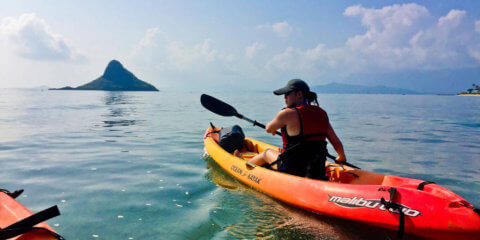
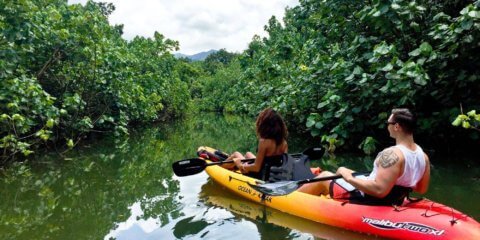
Active Oahu is locally owned and operated on Oahu's windward side. Our guided and self-guided kayak tours are designed to help you experience the island's beauty while respecting its natural and cultural heritage.
Mālama i ka ʻāina — care for the land, and it will care for you.